

Promoting Positive Masculinity in the Primary Classroom: A Prevention First Approach
Conversations about masculinity are becoming increasingly prominent in education, safeguarding, and wider society and for very good reason. Children are growing up in a world where their ideas about gender are shaped earlier than ever: by family, school, peers, and, increasingly, online spaces. As primary educators, we have a unique opportunity to nurture children’s understanding of healthy gender identities from the very start of their journey.
The Department for Education’s 2025 statutory RSHE guidance places this responsibility front and centre. It highlights the importance of giving pupils the space to explore positive conceptions of masculinity and femininity, and to recognise that respectful, caring behaviour is the norm for most boys and young men. This balanced message is crucial. It reassures pupils, avoids stigmatisation, and helps cultivate healthy expectations for relationships.
At the same time, the guidance acknowledges the real challenges today’s children face. Increasing numbers of pupils encounter online content that glamorises harmful or hyper aggressive behaviours. It is often delivered by influencers who present control, misogyny or dominance as signs of “strength”. Young people who are already feeling vulnerable, because of bullying, low self esteem or social pressures, can be especially susceptible to such messages.
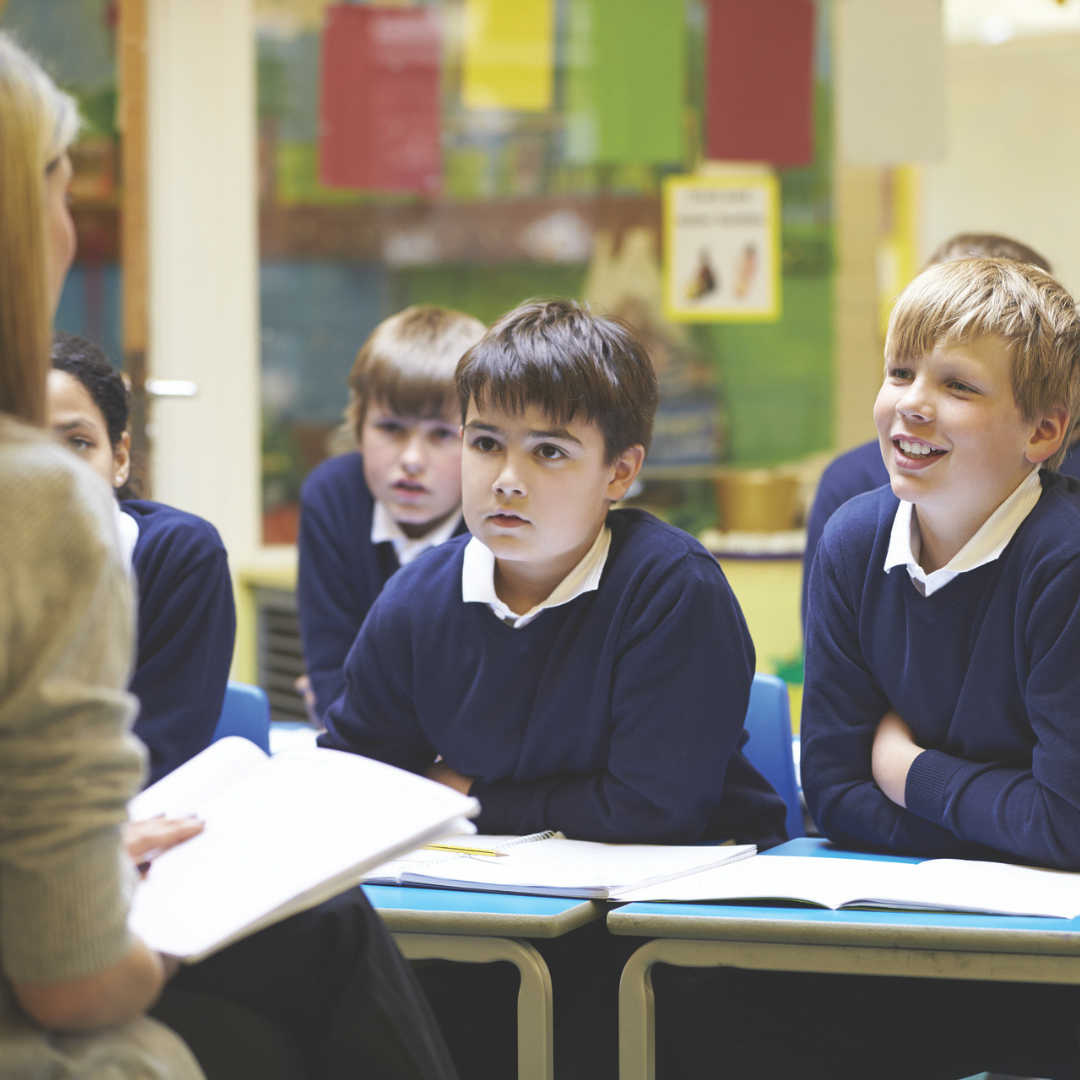
Our role in primary schools isn’t to amplify those harmful voices, nor to blame or label boys. Instead, it is to help all children build the critical thinking and emotional literacy they need to navigate these influences safely, understand their impact, and develop their own positive, respectful sense of identity.
This preventative approach strongly echoes the government’s Violence Against Women and Girls (VAWG) strategy, which emphasises early intervention, attitude shaping and cultural change, long before harmful behaviours develop.
Why Positive Masculinity Matters in Primary Schools
Children begin forming ideas about gender long before adolescence. Research shows that by the age of 7, many already hold firm beliefs about what boys and girls “should” be like. Those of us who work in primary school settings can see these stereotypes taking root for some children at a very early stage. If these ideas go unchallenged, they can restrict emotional expression, limit healthy friendships, and normalise unhelpful stereotypes.
By introducing children to concepts such as empathy, respect, kindness and diversity in gender expression, we’re not only supporting individual wellbeing, we’re laying the foundations for safer school environments and healthier future relationships.
Understanding the Drivers and Impacts of ‘Toxic Masculinity’
Whilst we want to move away from using the term toxic masculinity, and move towards a normalising of masculinity that is positive, the behaviours linked to it often surface early: pressure to “act tough”, discouragement from showing emotions, or the belief that being loud or dominant earns status.
Rather than positioning these behaviours as “what boys are like,” we can instead help pupils understand:
- that emotions are for everyone
- that strength includes kindness, responsibility and self control
- that respectful relationships benefit all genders
- that stereotypes can limit who we feel able to be
This approach empowers boys, supports girls, and contributes to whole school wellbeing.
How SCARF Supports Schools in Meeting RSHE Responsibilities
SCARF has always been rooted in prevention, whole child development and inclusive practice. Our lessons:
- offer age appropriate opportunities to explore identity and relationships
- provide safe ways to discuss online influences without signposting harmful individuals
- help build pupils’ self esteem and resilience
- promote empathy, cooperation and emotional literacy
- celebrate diversity and challenge stereotypes sensitively
This means SCARF schools are already well equipped to meet statutory RSHE requirements and to create classroom cultures where all children feel confident to be themselves. To further support educators, we are introducing the B.E. C.A.L.M. model in our Masculinity webinar, which is a practical framework for promoting positive masculinity in the classroom.
A Shared Goal: Respect, Empathy and Equality
Promoting positive masculinity is not about blaming boys, nor creating divisions. It’s about cultivating environments where every child can learn, grow and contribute to a respectful, equitable community.
By guiding children early, modelling the values we teach, and providing safe spaces for discussion, we give them the tools to navigate the world with confidence and compassion. And in doing so, we help build a generation for whom respect and equality are not just lessons but lived experiences.